

.png)
If you want to rank higher on Google today, you need to forget outdated SEO tactics and focus on what actually works in 2026. Ranking is no longer about stuffing keywords, publishing more blog posts, or chasing random backlinks. It is about becoming the most relevant, trustworthy, and complete answer to a specific search intent.
Google has evolved into an intent-driven, AI-assisted system that evaluates not just content, but clarity, authority, and user satisfaction. The websites that win are not the ones doing more SEO, but the ones doing it better.
This guide breaks down exactly how to align with how Google ranks content today and how to build sustainable rankings that last.
Why Ranking Higher on Google Still Matters in 2026
Ranking high on Google is still one of the most powerful growth channels for any business. The majority of clicks still go to the top results, and users trust organic listings more than ads.
When your website ranks higher, you gain consistent traffic without paying for every click. More importantly, you build long-term authority in your niche, which compounds over time.
SEO is not just about traffic anymore. It is about visibility across search, AI answers, and discovery platforms. If you are not ranking, you are invisible.
How Google Actually Ranks Websites Today
Google does not rank websites. It ranks answers.
Every search query has a specific intent behind it, and Google’s goal is to deliver the best possible answer for that intent. It evaluates multiple layers, including relevance, authority, trust signals, user behavior, and content structure.
Modern ranking systems also analyze how clearly your content communicates information. If your page is confusing, generic, or misaligned with intent, it will not rank consistently.
Understanding this shift is critical. Ranking higher is no longer about optimization tricks. It is about alignment.
The Foundation: Understanding Search Intent First
Before creating content, you need to understand what the user actually wants.
Search intent defines whether a user is looking for information, comparing options, ready to buy, or searching for a specific brand. If your content does not match that intent, it will struggle to rank regardless of how optimized it is.
For example, a query like “how to rank higher on Google” requires a detailed guide, not a sales page. If you miss that expectation, Google will prioritize competitors who deliver the correct format.
Every page you create should serve one clear intent. Mixing multiple intents on one page weakens clarity and reduces ranking potential.
Build Content That Fully Satisfies User Intent
Content is still the strongest ranking factor, but only when it actually solves the user’s problem.
High-ranking content today is structured, direct, and comprehensive. It answers the main question early, then expands into deeper insights that keep users engaged.
Google favors content that feels complete. This means covering the topic from multiple angles, providing real insights, and avoiding generic explanations that add no value.
Depth matters, but clarity matters more. The goal is not to write more, but to explain better.
Topical Authority: The Real Ranking Advantage
One article alone rarely ranks long-term anymore. Google prefers websites that demonstrate consistent expertise across a topic.
Topical authority is built by creating clusters of related content that support each other. Instead of targeting isolated keywords, you build an ecosystem of pages that reinforce your expertise.
When Google sees multiple high-quality pages covering related topics, it gains confidence in your site. This leads to stronger rankings across all pages, not just one.
This is why websites that invest in content systems outperform those publishing random articles.
Technical SEO: The Hidden Growth Lever
Even the best content will struggle if your technical foundation is weak.
Google needs to crawl, understand, and trust your website before it can rank it. If your pages are slow, broken, or poorly structured, your ranking potential is limited.
A fast-loading, mobile-friendly, and well-structured website creates the conditions for growth. It improves user experience, increases engagement, and allows search engines to process your content efficiently.
Technical SEO does not directly create rankings, but it removes the barriers that prevent them.
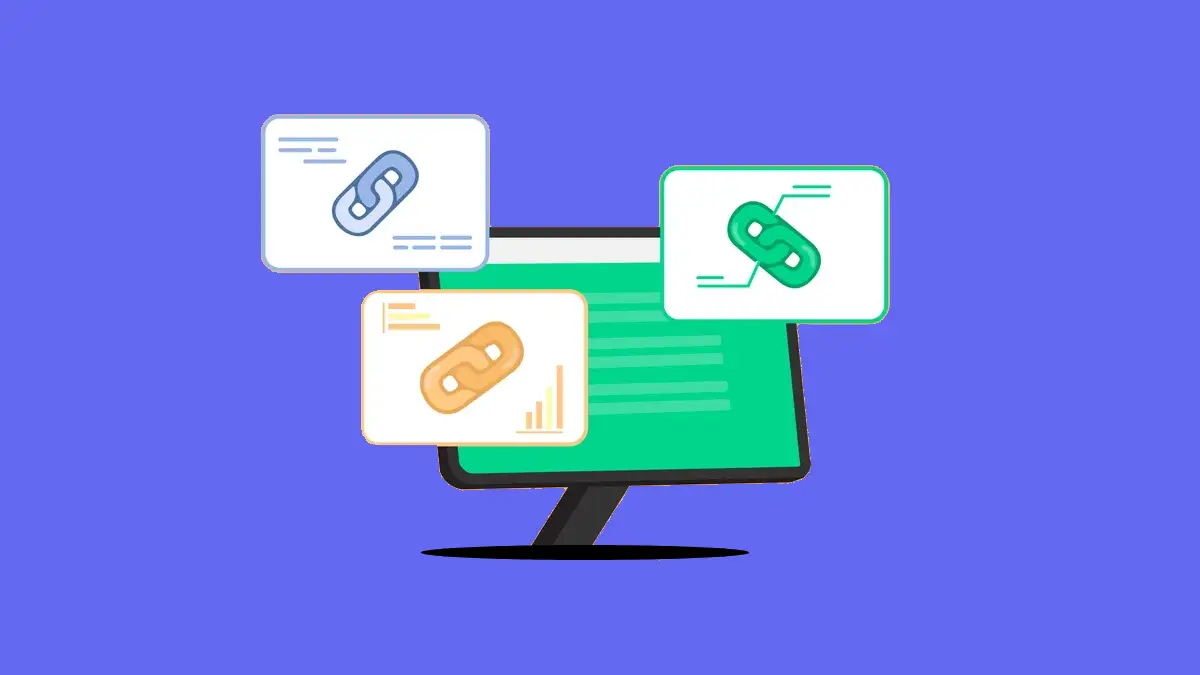
Internal Linking: Turning Content into a Ranking System
Internal linking is one of the most underrated ranking factors.
It helps Google understand the relationship between your pages and which ones are most important. When done correctly, it distributes authority across your site and strengthens key pages.
A strong internal linking structure connects related content naturally, guiding both users and search engines through your website.
Instead of isolated pages, you create a connected system. This is what transforms content into a scalable SEO engine.
Backlinks: What Actually Moves Rankings Today
Backlinks remain one of the strongest ranking signals, but their role has evolved.
It is no longer about getting as many links as possible. It is about getting the right links from relevant, trustworthy sources.
Google evaluates the context of each link. A single high-quality, niche-relevant backlink can have more impact than dozens of low-quality ones.
Authority today is built through relevance, not volume. The closer the linking website is to your niche, the stronger the signal it sends.
On-Page SEO That Drives Clicks and Rankings
On-page SEO is what helps Google understand your content and users decide to click on it.
Your title and description are the first interaction users have with your page. If they are not compelling, even a top ranking will not generate traffic.
Headings structure your content and improve readability, while keywords signal relevance when used naturally.
Good on-page SEO does not feel optimized. It feels clear, natural, and helpful.
User Experience Signals That Influence Rankings
Google increasingly measures how users interact with your content.
If users click your page and quickly leave, it signals that your content did not meet expectations. If they stay, read, and explore further, it signals value.
This is why engagement metrics like time on page and interaction matter. They reflect how well your content satisfies the user.
Improving user experience is not just about design. It is about delivering exactly what the user came for.
Optimizing for AI Search and Featured Results
Search is changing with the rise of AI-driven results and answer engines.
Google now extracts answers directly from content to display in featured snippets and AI overviews. To rank in these positions, your content must be structured clearly and written in a way that is easy to extract.
Clear headings, direct answers, and logical formatting increase your chances of being featured.
The future of SEO is not just ranking pages. It is becoming the source of answers.
Local SEO and Entity-Based Ranking Signals
For businesses targeting specific locations, local SEO is essential.
Google evaluates location-based searches differently, prioritizing relevance, proximity, and prominence. Your online presence must be consistent across your website, business listings, and external mentions.
Entity-based SEO also plays a growing role. Google connects your brand across the web, building a clearer understanding of who you are and what you offer.
The stronger your entity signals, the easier it becomes to rank.
How Long It Takes to Rank Higher on Google
Ranking higher on Google is not immediate. It typically takes several weeks to months depending on competition, authority, and consistency.
New websites often take longer because they need to build trust. Established sites may see faster results due to existing authority.
SEO is cumulative. Each improvement builds on the last, creating long-term growth rather than short-term spikes.
The Truth About Ranking Higher on Google
There is no shortcut to ranking higher on Google.
The websites that succeed are the ones that align with how Google evaluates content. They focus on clarity, trust, relevance, and consistency across every aspect of their strategy.
When your content matches intent, your website is technically sound, your authority signals are strong, and your user experience is smooth, rankings follow naturally.
SEO is not about tricks. It is about building a system that deserves to rank.
And in 2026, that is the only strategy that works.